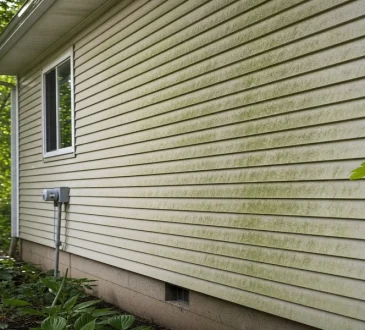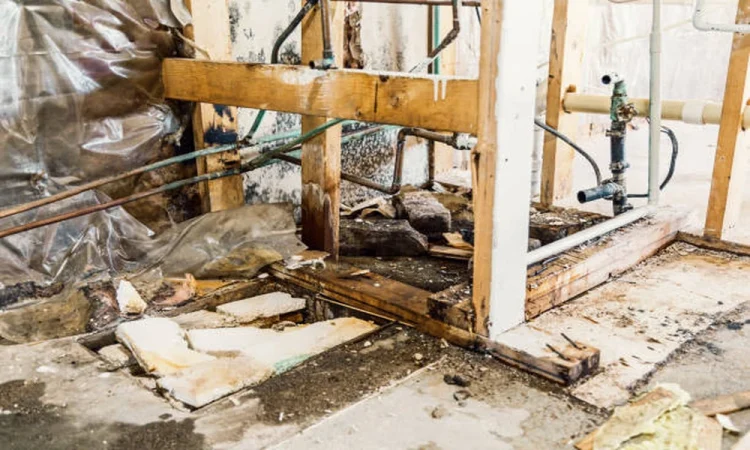
Understanding Mold Growth After Flooding
Flood damage creates more than visible water problems-it sets the perfect conditions for mold to grow quickly and spread inside a home. Understanding what happens after flooding and how mold remediation works can help homeowners protect both their property and health.
When water enters a home, it soaks into porous materials like drywall, wood, insulation, and flooring. These damp conditions allow mold spores, which are already present in the air, to activate and multiply. Mold can begin forming soon after flooding, especially when moisture is trapped in hidden areas such as behind walls or under flooring. Once it spreads, it can weaken building materials and create long-term damage if not addressed properly.
Why Flood Damage Increases Mold Risk
Floodwater often saturates multiple areas at once, making it difficult for surfaces to dry completely without professional help. Even when visible water is removed, moisture can remain inside structural components. This hidden dampness becomes a continuous source of mold growth. Poor ventilation and warm indoor conditions can further accelerate the process, allowing contamination to spread beyond the original affected areas.
The Mold Remediation Process
Inspection and Assessment
Effective mold remediation begins with a thorough inspection to identify all affected zones, including those not visible on the surface. This step helps determine the extent of contamination and the best approach for cleanup.
Containment and Prevention of Spread
Once identified, containment measures are used to prevent spores from spreading to clean areas of the home. Barriers and controlled work zones help limit cross-contamination during the remediation process.
Moisture Removal and Drying
Specialized equipment helps remove moisture from walls, floors, and airspaces. Drying the structure thoroughly is critical to stopping further mold growth and stabilizing indoor conditions.
Cleaning and Material Removal
Contaminated materials that cannot be restored are safely removed, while salvageable areas are cleaned and treated to prevent regrowth. This ensures that hidden mold sources are eliminated rather than temporarily covered.
Restoration and Prevention
The goal is to fully restore indoor conditions to a safe and dry state. Once cleanup is complete, preventive treatments and drying strategies help reduce the chance of recurrence.
Health and Safety Considerations
Exposure to mold after flooding can cause respiratory discomfort, allergic reactions, and other health issues, especially for sensitive individuals. This makes proper cleanup and containment essential. Homeowners are encouraged to avoid disturbing affected materials without protection, as this can release more spores into the air.
Preventing Future Mold Problems
Once remediation is complete, preventing future mold growth depends on controlling moisture. This includes improving ventilation, ensuring proper drainage around the home, and quickly addressing any leaks or water intrusion. Rapid drying after any future water event is key to reducing the risk of another outbreak.
Flood damage recovery is not complete until mold risks are fully addressed. Proper remediation helps ensure a safer, healthier living environment long after the water is gone.
Authored by a professional at THE HAZMAT TEAM, this post offers trusted expertise. Choose an asbestos abatement contractor serving Orange County, California, including Westminster lead paint removal. THE HAZMAT TEAM ensures a smooth, safe removal process from start to finish.