Replacing a furnace or air conditioner is one of the larger purchases a homeowner makes. It’s also one that often happens in a hurry, because systems tend to fail on the coldest or hottest day of the year. A little preparation beforehand can mean a better-matched system, a lower bill, and fewer surprises.
Whether you’re planning a full replacement or just trying to figure out why one room never warms up, it helps to know what a good process looks like. Working with a Kalispell HVAC contractor or any qualified professional goes better when you arrive informed, and the steps below will help you do that.
Start With the House, Not the Equipment
Many people shop for a new system first and think about their home second. That is backwards. A heating and cooling system only performs well when it’s matched to the building it serves. An oversized furnace short-cycles, wasting energy and wearing out sooner. An undersized one runs constantly and still leaves you cold.
Before choosing equipment, it makes sense to look at how the house itself performs. The U.S. Department of Energy recommends a professional home energy audit as a first step before energy-saving improvements. These assessments can include a blower door test to measure air leakage and an infrared scan to reveal missing insulation. Fixing those problems first can sometimes shrink the size of the system you need, which saves money upfront and every month afterward.
Five Signs It Might Be Time to Act
Not every noise or odd smell means replacement. These signals, however, deserve attention:
- Age: Furnaces typically last 15 to 20 years, and air conditioners often 10 to 15.
- Rising bills: If energy costs climb while your habits haven’t changed, efficiency may be declining.
- Frequent repairs: A growing list of service calls is often a warning that bigger failures are coming.
- Uneven comfort: Hot and cold spots can point to equipment problems, but also to ductwork or insulation issues.
- Short cycling or constant running: Equipment that turns on and off rapidly, or never seems to shut off, may be failing or poorly sized.
Myth vs. Reality
Misinformation about HVAC is common, and it can lead to expensive decisions. Here are a few worth clearing up.
| Common Belief | What’s Actually True |
|---|---|
| Bigger systems heat and cool better | Properly sized equipment is more efficient and more comfortable. Oversizing causes short cycling and uneven temperatures. |
| Closing vents in unused rooms saves energy | It can raise pressure in the ducts, reduce efficiency, and strain the blower. |
| Heat pumps don’t work in freezing weather | Cold-climate heat pump models are designed for it, and the Department of Energy’s analysis of heat pump savings found that the right model can lower bills for most households. |
| Turning the thermostat way up heats the house faster | Most systems heat at a steady rate regardless of the setting, so you only end up overshooting. |
| A higher price always means better quality | Installation quality matters as much as the brand. A great unit installed poorly will underperform. |
What a Good Estimate Looks Like
Getting more than one estimate is smart, but the lowest number isn’t always the best value. A thorough estimate usually reflects a thorough visit. Here’s what to expect:
- A walk-through of the home, including attic, basement or crawl space, and existing ducts.
- A load calculation (often called a Manual J) that determines the right capacity based on your home’s size, insulation, windows, and orientation.
- Clear equipment details, including model numbers, efficiency ratings, and warranty terms.
- A written scope of work covering what’s included, such as ductwork modifications, thermostat wiring, permits, and disposal of old equipment.
- Transparent pricing with an explanation of any optional upgrades.
If an estimate arrives after a five-minute glance at your old unit, with a size recommendation based only on what you already have, that’s worth questioning.
Questions Worth Asking
You don’t need technical expertise to have a productive conversation. These questions help you understand what’s being proposed:
- How did you determine the size of the system you’re recommending?
- Is my existing ductwork in good enough shape to support it, or does it need repair or sealing?
- What efficiency ratings do these options carry, and what does that mean for my annual costs?
- What’s covered by the manufacturer warranty, and what’s covered by your labor warranty?
- Are permits required, and who handles them?
- What routine maintenance will this system need?
A knowledgeable professional will welcome these questions and answer them plainly. Vague responses are a signal to keep looking.
A Typical Upgrade, Step by Step
Knowing the sequence can take the stress out of the process. While details vary, most replacements follow a similar path:
- Week one: Assessment, load calculation, and equipment selection.
- Week two: Review of the proposal, scheduling, and ordering of equipment.
- Installation day (or days): Removal of the old unit, installation of the new one, connection to ducts, electrical, and controls.
- Commissioning: Testing of airflow, refrigerant charge, gas pressure, and safety controls.
- Walkthrough: Review of thermostat programming, filter changes, and maintenance recommendations.
Don’t skip that final step. Commissioning is where many hidden problems surface, and a good installer will take the time to verify that everything performs as designed.
Protecting Your Investment After Installation
A new system still needs care to deliver its full lifespan. Keep a simple routine:
- Replace or clean filters on schedule.
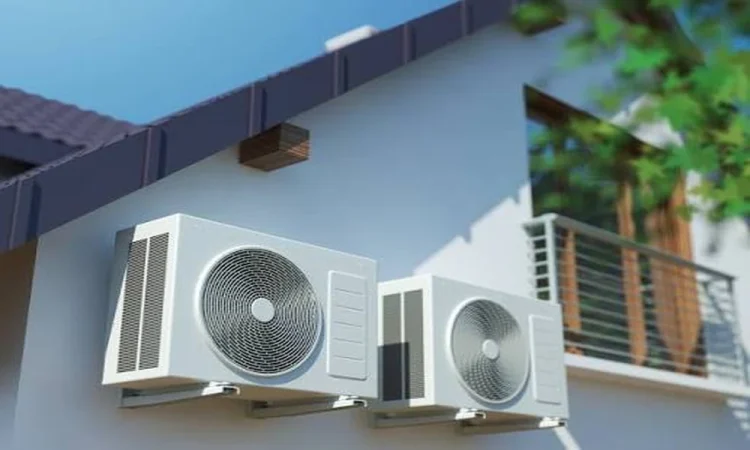
- Keep outdoor equipment clear of snow, debris, and vegetation.
- Schedule professional maintenance annually, ideally before the heating season begins.
- Register your warranty and keep documentation in one place.
- Pay attention to changes in sound, smell, or performance, and address them early.
The Bottom Line
A successful heating and cooling upgrade rarely comes down to the brand on the box. It comes from understanding your home, asking good questions, insisting on proper sizing, and choosing an installer who takes the time to do the job right. Spend a little time on preparation now, and you’re far more likely to enjoy quiet, even, efficient comfort for the next decade and beyond.