
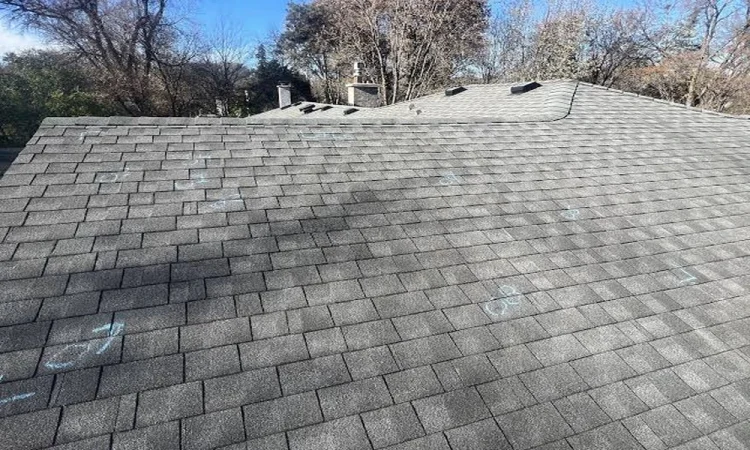
A stain on the ceiling is rarely where the trouble starts. By the time water shows up inside a Cherry Hill home, it has usually been working its way through the roof system for weeks or months. If you want to see more about what causes this, start with the parts of the roof that most homeowners never inspect.
Failed Flashing
The flashing is the sheet of metal used for sealing the joints in the chimney, skylights, vent pipes, and walls. It is also one of the first parts of the roof to fail. The metal often expands and contracts because of changes in the weather in New Jersey, leading to cracks in the sealant and lifting of the sides. This causes water to get beneath the flashing rather than above, and the deck under the roof gets wet, but the shingles above look dry.
Clogged or Poorly Sloped Gutters
Water trapped in the clogged and poorly sloped gutters will seep under the first layer of shingles, wetting the fascia board and the roof’s edges. During the winter season, the accumulated water will freeze and create ice dams. Ice builds up on the shingles and forces water under them into the attic.
Deteriorated Underlayment
The felt or artificial material layer underneath your shingles is the last line of defense against water infiltration. Felt that is older than 15 to 20 years is likely to be brittle due to heat cycles experienced through time. A nail pop or a hole in the shingle alone is not really damaging, but when there is a damaged underlayment, the water finds its way to the sheathing.
Condensation in Attic
Not all leaks start from outside. Moist and warm air from the kitchen and bathroom areas escapes through a poorly ventilated attic and condenses into the cold surface of the roof deck. Blocked soffit vents are a common cause, especially when insulation has been pushed against them.
Worn Penetration Seals
Vent boot plumbing is generally rubber, and rubber breaks apart. With a split collar on the vent pipe, you get water moving straight down the pipe into the wall. The homeowner notices the problem within the wall itself or around the bathroom exhaust well before the problem goes to the roof.
Granule Loss and Soft Spots
Inspect the gutters and downspouts for loose granules. This is a sign that the shingle is beginning to break apart. Walking on the roof shows soft or spongy spots, which are a sign of wood decay rather than patching.
Signs Inside the Home
Pay attention to these indoor clues:
- Yellow or brown ceiling rings that grow after rain
- Peeling paint near the top of exterior walls
- A musty smell in upper rooms or closets
- Warped trim around windows and attic hatches
Why Early Inspections Are Important?
You must carry out early roof inspections since any water damage will escalate in no time. Repairing small damage will be much less costly than having to restore your home after damage from mold and structural problems. See more about residential roofing services on the Cherry Hill roofing website.


