Before Hurricane Season Hits: Electrical Safety Upgrades Homeowners Living in San Marcos, Texas Should Make Now
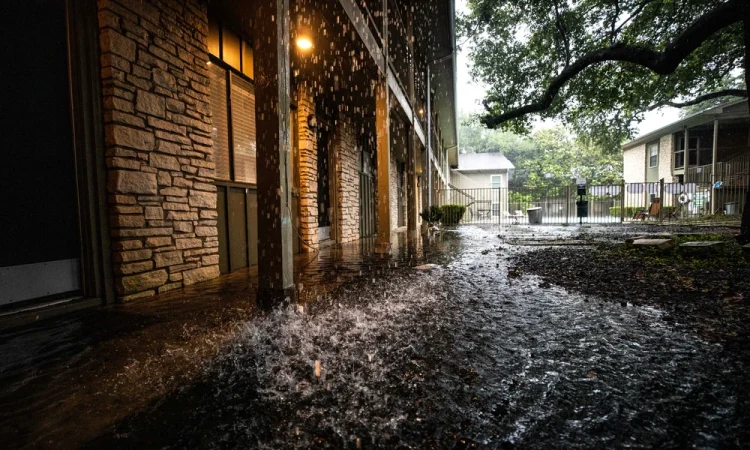
Hurricane season has a way of changing the way Texas homeowners think about their properties. When a storm is still days or weeks away, it can be easy to assume there is plenty of time to prepare. But once the forecast starts showing a tropical system moving toward Texas, electricians, hardware stores, and home improvement professionals can become extremely busy.
For homeowners in San Marcos Texas, preparing for severe weather should involve more than stocking up on bottled water, batteries, and nonperishable food. Your home’s electrical system deserves attention, too.
Heavy rain, strong winds, lightning, flooding, and power outages can all create electrical hazards. A system that seems perfectly fine during normal conditions may have damaged components, overloaded circuits, deteriorated wiring, or inadequate protection that becomes a much bigger concern during a storm.
The good news is that many electrical problems can be identified and addressed before hurricane season becomes a serious threat.
A preventative electrical inspection gives homeowners an opportunity to find potential problems while there is still time to correct them. From checking the electrical panel to testing GFCI protection and installing whole-home surge protection, a few proactive improvements can make your home better prepared for unpredictable weather.
Start With an Electrical Panel Inspection
Your electrical panel is essentially the command center for your home’s electrical system. Every major circuit in the house typically runs through the panel, making its condition particularly important when you’re preparing for severe weather.
An electrician can inspect the panel for signs of overheating, corrosion, loose connections, damaged breakers, improper wiring, or other issues that could create problems.
Homeowners should also be aware of warning signs such as:
- Flickering or frequently dimming lights
- Breakers that trip repeatedly
- A burning smell near the electrical panel
- Warm or discolored areas around the panel
- Buzzing or unusual noises
- Outlets or appliances that aren’t receiving consistent power
Older electrical panels may also lack the capacity or protective features expected in today’s homes. If the panel is outdated or has known deficiencies, hurricane preparation can be a good opportunity to have it evaluated.
The goal isn’t necessarily to replace a panel simply because it is old. Instead, a licensed electrician can determine whether the existing equipment is safe, properly configured, and capable of handling the home’s current electrical demands.
Test GFCI Protection Before Severe Weather Arrives
Ground-fault circuit interrupter, or GFCI, protection is particularly important in areas where electricity and moisture can come into contact.
GFCI protection is commonly found in locations such as bathrooms, kitchens, garages, laundry areas, exterior receptacles, and other potentially damp areas.
These devices are designed to shut off electrical power when they detect a potentially dangerous imbalance in current. During periods of heavy rain and flooding, properly functioning GFCI protection can provide an important layer of electrical safety.
Homeowners can use the built-in TEST button on a GFCI receptacle to verify that it trips and then use the RESET button to restore power. However, if the device doesn’t respond correctly, won’t reset, trips repeatedly, or appears damaged, don’t ignore it.
A licensed electrician can determine whether the receptacle itself needs to be replaced or whether there is a larger electrical issue behind the problem.
Check Exterior Receptacles
Outdoor electrical receptacles deserve special attention before hurricane season.
Exterior outlets are exposed to rain, humidity, temperature changes, dirt, insects, and other environmental conditions throughout the year. Even when an outlet appears fine from the outside, the connections or surrounding components may have deteriorated.
Before severe weather arrives, have exterior receptacles checked for:
- Cracks or physical damage
- Loose covers
- Signs of corrosion
- Water intrusion
- Improper GFCI protection
- Loose connections
- Evidence of overheating or burning
Weather-resistant equipment and appropriate weatherproof covers can help protect outdoor electrical connections, but they aren’t substitutes for proper installation and maintenance.
If an exterior receptacle is damaged, it’s better to replace it before the storm rather than discovering the problem when you need to power an essential device during an outage.
Examine Outdoor Wiring and Connections
San Marcos homeowners with outdoor lighting, detached garages, workshops, pool equipment, landscape lighting, or other exterior electrical systems should also have outdoor wiring inspected.
Storm conditions can expose weaknesses that aren’t obvious during everyday use. Wind can move or damage components, falling branches can impact wiring, and heavy rain can expose electrical connections to moisture.
Look around your property for visible signs of trouble, including damaged conduit, exposed wiring, loose fixtures, cracked electrical boxes, or connections that appear to have shifted.
Don’t handle exposed or damaged electrical wiring yourself.
Instead, shut off power to the affected area if it can be done safely and contact a licensed electrician. Electrical wiring and connections that have been exposed to water may also require additional evaluation before they can safely be placed back into service.
Identify Damaged Cords and Connections
Hurricane preparation is also a good time to take inventory of extension cords, appliance cords, outdoor equipment, power strips, and other electrical accessories.
It’s surprisingly easy for damaged cords to go unnoticed. A cord may have a small cut in the insulation, bent prongs, loose connections, burn marks, or other damage that could become a safety issue.
Replace cords that are frayed, cracked, melted, or otherwise damaged.
Homeowners should also avoid using extension cords as permanent wiring solutions. If an appliance or piece of equipment consistently requires an extension cord because an outlet isn’t located nearby, consider having a properly installed receptacle or dedicated circuit added.
That is particularly important for equipment homeowners may rely on during a power outage.
Replace Outdated Electrical Components
Preventative maintenance isn’t only about fixing things that are already broken. Sometimes the safest approach is to replace electrical components that have reached the end of their useful service life or no longer meet the needs of the home.
Depending on the property, this could include outdated receptacles, damaged switches, deteriorated wiring components, old GFCI devices, questionable connections, or other electrical equipment.
Older homes deserve particular attention because their electrical systems may have been designed around significantly different household demands.
Today’s homeowners often have far more electronics, appliances, air-conditioning equipment, electric vehicles, home offices, entertainment systems, and other electrical loads than homeowners did decades ago.
A professional inspection can help determine whether the existing system is still appropriate for the way the house is being used today.
Consider Whole-Home Surge Protection
Lightning and electrical disturbances can pose a significant threat to modern electronics.
Even when lightning doesn’t directly strike a home, electrical surges associated with storms or utility events can potentially damage sensitive equipment.
Plug-in surge protectors can provide protection for individual devices, but homeowners who want broader protection can consider a whole-home surge protection system.
A whole-home surge protector is installed as part of the home’s electrical system and can provide an additional layer of protection for connected electrical equipment.
This can be especially valuable for homes containing expensive electronics, smart-home equipment, computers, appliances, HVAC controls, and other sensitive devices.
Bebee Electric Plus can help homeowners evaluate whether whole-home surge protection makes sense for their property and electrical system.
Review Your Generator Connection Options
Power outages are one of the biggest concerns homeowners have during severe weather.
A portable generator can provide useful backup power, but connecting one to a home’s electrical system requires careful planning. Simply plugging a generator into a regular household receptacle is not a safe substitute for a properly designed generator connection.
Depending on the home and generator, homeowners may have several options, including an appropriately installed transfer switch or a generator interlock arrangement where permitted and properly installed.
The important thing is that the generator connection must prevent dangerous backfeeding into the utility electrical system.
Backfeeding can put utility workers and others at serious risk.
A licensed electrician can evaluate the home’s electrical panel, generator requirements, and desired backup loads to determine an appropriate connection method.
Homeowners should have this work completed well before a major storm is approaching. Waiting until a hurricane is in the Gulf can make it much more difficult to schedule an electrician or obtain certain equipment.
Don’t Forget Smoke and Carbon Monoxide Detectors
Electrical preparedness isn’t limited to the wiring and panel.
Smoke alarms and carbon monoxide detectors should also be checked regularly, particularly before hurricane season when homeowners may spend more time relying on backup power equipment.
Test every detector and replace batteries when necessary. Check the manufacturer’s recommendations regarding replacement of the units themselves, since smoke and carbon monoxide detectors don’t necessarily last indefinitely.
Carbon monoxide safety deserves particular attention when using generators.
Never operate a portable generator inside a home, garage, enclosed patio, shed, or other enclosed or partially enclosed space. Generators produce carbon monoxide, an odorless and potentially deadly gas.
Generators should be operated outdoors in a safe location away from doors, windows, and other openings, following the manufacturer’s instructions and applicable safety requirements.
Can a Handy Homeowner Handle These Electrical Projects?
This is one of the biggest questions homeowners have when preparing for hurricane season.
There are certainly basic maintenance tasks a homeowner can perform. Testing a GFCI receptacle using its built-in test button, testing smoke and carbon monoxide detectors, replacing batteries, and visually checking for obvious damage are examples of relatively simple maintenance activities.
Electrical installations and repairs are different.
Installing surge protection, modifying an electrical panel, installing new circuits, replacing certain electrical components, wiring exterior equipment, or installing a generator connection involves much more than simply connecting a few wires.
These projects can involve electrical code requirements, load calculations, grounding and bonding considerations, panel compatibility, proper overcurrent protection, and serious safety risks.
For that reason, homeowners should generally leave electrical installation and repair work to qualified, licensed professionals.
This isn’t the place to experiment with a YouTube tutorial just because a storm is approaching.
A mistake involving household electricity can result in electric shock, fire, equipment damage, or other serious consequences. Generator connections are especially important because an improperly installed system can create hazards for utility workers.
When in doubt, have a professional evaluate the work before attempting it yourself.
Why You Shouldn’t Wait Until a Hurricane Is Approaching
One of the biggest mistakes homeowners can make is waiting until a hurricane is already headed toward Texas before thinking about electrical preparedness.
Once a storm enters the forecast, demand for electricians, generators, electrical components, fuel, batteries, and other supplies can increase quickly.
There is also the possibility that severe weather will prevent an electrician from safely performing certain exterior work.
Preventative maintenance gives you time to identify problems, compare options, schedule professional repairs, and make thoughtful decisions without the pressure of an approaching storm.
Instead of asking, “What do I need to fix before the hurricane gets here?” it’s better to ask, “What can I improve now so I’m not scrambling later?”
That change in mindset can make hurricane preparation much easier.
A Preventative Electrical Checklist for San Marcos Homeowners
If you’re getting your home ready for hurricane season, consider adding these electrical tasks to your preparation checklist:
- Have the electrical panel inspected.
- Test GFCI receptacles.
- Check exterior outlets for damage and water exposure.
- Inspect visible outdoor wiring and electrical boxes.
- Replace damaged extension cords and appliance cords.
- Look for loose, corroded, or overheated electrical connections.
- Replace outdated or damaged electrical components when recommended.
- Consider whole-home surge protection.
- Have generator connection options evaluated by a licensed electrician.
- Test smoke alarms and carbon monoxide detectors.
- Replace detector batteries as needed.
- Review safe generator operating procedures.
- Address electrical problems before severe weather is approaching.
Taking care of these items doesn’t guarantee that your home will be unaffected by a major storm. Hurricanes and severe thunderstorms can be unpredictable, and widespread outages can happen even when a home’s electrical system is properly maintained.
What preventative maintenance can do is reduce avoidable electrical risks and help your household be better prepared.
Choose Professional Electrical Help Before the Storm
Hurricane preparedness isn’t just about what you have in your emergency kit. It’s also about making sure the systems you depend on every day are ready for the conditions that severe weather can bring.
A professional electrical inspection can uncover problems that aren’t obvious to the average homeowner, while preventative upgrades can improve safety and provide additional protection for your home and electrical equipment.
For San Marcos homeowners looking for professional assistance, Bebee Electric Plus can help with electrical inspections, electrical repairs, surge protection, generator-related electrical installations, and other residential electrical needs.
When severe weather is still weeks away, that’s the ideal time to schedule an inspection-not when the forecast is already calling for hurricane-force winds.
Homeowners in San Marcos, Texas can trust Bebee Electric Plus when they need the services of a reliable, licensed electrician, especially when preparing their home’s electrical system for the challenges that severe weather can bring.
The best time to discover an electrical problem is while the weather is calm and you have plenty of time to address it. By taking a preventative approach now, you can head into hurricane season with greater confidence that your home’s electrical system has been properly evaluated and prepared.