Concrete construction and finished surfaces
A good contractor can lay the groundwork for a project that withstands traffic and the weather over the years. Here is a list of things to know when it comes time to pour new concrete.
Build Stability Below the Surface
Before your new slab ever sees the light of day, a lot happens in the ground beneath it. The foundation, or subgrade, is the most critical part of a concrete project. If it’s weak, so will your concrete be, no matter the quality of workmanship, reinforcement or mix used above it.
While it has great compressive strength, concrete will crack, heave, or sink over poorly drained or unstable soil. Proper subgrade preparation requires excavation of loose or organic materials, replacing it with aggregate, then compacting evenly. Slope away from your home, doorways, and low spots in the yard. This is where the real cost of the project is determined.
Match Thickness and Joints to the Intended Use
The end purpose of the surface will determine the thickness, subgrade preparation, and any necessary reinforcement. For example, a pedestrian walkway will typically require less thickness and reinforcement than a driveway or a delivery pad. A driveway will probably benefit from reinforced edges as well to prevent cracking.
In contrast, a patio doesn’t need as much strength as other uses because it doesn’t see as much traffic. A patio needs proper drainage (slope) and joints. This is why you should discuss your project’s planned use before work begins; the practical side of concrete work Miami starts there.
You should also talk to the contractor about joints, as they are key to controlling cracks. Reinforcement alone won’t stop cracks from forming in concrete.
Concrete slab joints and reinforcement
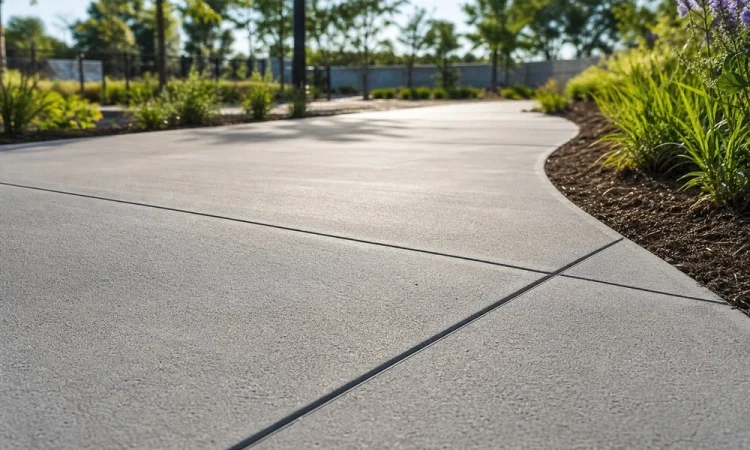
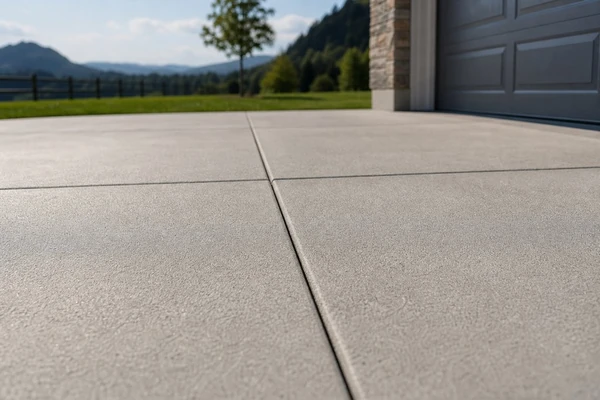
When concrete is poured, it will naturally shrink, and like most building materials, it expands and contracts in response to temperature fluctuations. This can result in cracking. Control joints (https://www.britannica.com/technology is surprisingly readable on this) are simply cuts made into the concrete to make a weak line where cracking is expected to occur. The reinforcement will keep them held together. Hairline cracks at the joints are normal in a concrete slab and not a cause for alarm. But a slab without control joints can crack and fail prematurely.
Be wary of a contractor who tells you that reinforcement will stop concrete from cracking; no one can guarantee that. If the reinforcement is at the bottom of the slab, instead of in it, it will not perform adequately.
Miami gets hot, and gets humid, and can be prone to sudden downpours. The hotter it is out, the quicker concrete will set. That means you’ll have less time to properly set, level, edge and finish it. If it were to rain lightly during finishing without advance notice, the surface would also become weakened or discolored. Make sure the contractor and their team have a plan for protection in the event the weather does change course on pour day. Puddle damage is also not ideal.
Can the truck get there?
How will they get the concrete to where it needs to be? Concrete trucks are big, wide, and heavy. If your project is on a tight driveway, side yard, or backyard, it might be more difficult for the truck to get there. The concrete may then need to be pumped into place, or transported via wheelbarrow. These extra tools also mean extra labor and can increase project time and expense. Check for obstacles such as gates, landscaping, low hanging branches, parked vehicles, and utility lines.
Where is everything?
Before digging starts, make sure the property boundaries are clear and any required permits have been checked. Even the best concrete slab in the world will not be worth much if it’s built in the wrong place, over an easement or where drainage is needed, or violating your property’s setbacks.
Is sealer required, and when? Not all surfaces are immediately sealed, and the type of surface and amount of moisture can play a part in determining if it should be sealed. You should find out how the surface will be cured: by moist-curing methods or using a curing compound. Freshly-placed surfaces should be protected from sprinkler water, animals, leaves, and traffic.
Choose the Finish and Confirm Pour-Day Details
You’ve also got to look ahead and think about your maintenance and budget as you consider your finish choices. You might like the appearance of stamped, exposed aggregate, or colored concrete, but you might find it doesn’t suit your project and how you use it. Driveways and garage floors often see vehicles and traffic that can scratch and scuff, especially if you own a large SUV.
Some types of concrete also require specific maintenance to ensure a long life. If a utility or maintenance pad just gets a truck backed up to it from time to time, these finishes probably wouldn’t be necessary. The team at Gaven Constructions works with these project choices in mind.
When you’re ready for the contractor to give a quote, you need to have discussed:
- Use: will it see a car? An RV?
- Slope: what is the slope, especially on patios or other areas that might collect water? Will the water drain away from your home or garage? If there is a low spot in the yard, does the surface drain away from it?
- Finish: plain, exposed aggregate, stamped, colored? If there are multiple options, ask the pros and cons of each.
- Expansion/control joints: what is the spacing and will they need reinforcement?
- Curing and load bearing: when can you walk on it? How about drive? This is where the question comes up about how long before you can back your car into your new garage or drive on your new driveway. Concrete may seem set in a matter of hours but will continue to gain strength over time. It’s important to let it continue the curing process. Contractors will be able to tell you how long it will take for your specific project. As a baseline, it can typically take about a week before it can bear the weight of a car.
When the concrete company is set to deliver and pour, it’s best if you’ve already: designated an area for them to dump the remainder of the truck; determined where they’ll enter the property to dump; walked the drainage slope.