Planning a remodel can feel exciting and overwhelming at the same time. Every home has unique challenges, every family has different priorities, and every project requires dozens of decisions before construction even begins. The good news is that most remodeling questions have practical answers rooted in experience rather than guesswork.
This FAQ-style guide addresses the questions homeowners ask most often before starting a home remodeling project, with straightforward answers focused on planning, budgeting, materials, and long-term value.
FAQ
What should be the first step in home remodeling?
The first step isn’t choosing cabinets, flooring, or paint colors. It is defining your goals.
Ask yourself:
- What doesn’t work in the current space?
- What would improve everyday living?
- Which improvements are essential?
- Which upgrades are simply nice to have?
Creating a written list of priorities helps guide every decision that follows. It also prevents costly changes once construction has started.
Quick Summary
- Start with problems, not products.
- Establish a realistic budget.
- Think about long-term functionality.
How much should I budget for a remodeling project?
Every project is different because every home is different.
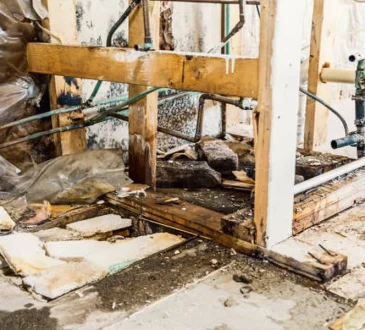
Your budget should account for much more than visible finishes. Construction often includes demolition, structural work, electrical updates, plumbing modifications, permits, labor, inspections, and unexpected repairs.
Many remodeling professionals recommend setting aside a contingency reserve for hidden conditions that may only become visible after walls or flooring are removed.
A realistic budget creates flexibility and reduces stress throughout the project.
How do I choose the right home renovation contractor?
Choosing the right home renovation contractor is one of the most important decisions you’ll make.
Price should never be the only consideration.
- Experience with similar projects
- Licensing and insurance
- Communication style
- Detailed written proposals
- Project timelines
- References from previous clients
A qualified contractor doesn’t simply build. They help anticipate problems, coordinate trades, manage schedules, and keep the project moving efficiently.
Good communication often matters just as much as technical skill.
Quick Summary
Look for professionalism, transparency, and proven experience rather than the lowest estimate.
Which remodeling projects usually provide the greatest long-term value?
Projects that improve everyday functionality often provide the greatest return.
Examples include:
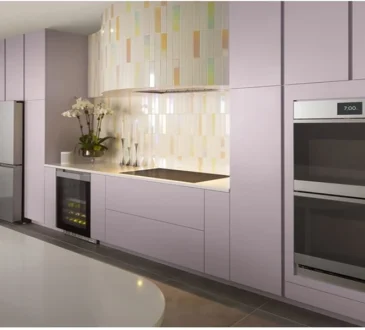
- Kitchen improvements
- Bathroom renovations
- Energy-efficient windows
- Better insulation
- Updated flooring
- Improved storage
- Lighting upgrades
The highest-value improvements are usually the ones homeowners enjoy every single day.
Rather than chasing trends, focus on upgrades that increase comfort, efficiency, and durability.
How important are wall renovation materials?
Selecting the right wall renovation materials has a significant impact on both appearance and long-term performance.
Different materials serve different purposes.
Drywall remains the most common choice for interior walls because it provides a smooth finish and is relatively easy to repair. Moisture-resistant drywall works well in bathrooms and laundry rooms. Decorative wood paneling adds warmth and texture, while stone veneer creates visual depth and architectural character.
- Durability
- Moisture resistance
- Ease of maintenance
- Repairability
- Fire performance
- Overall design style
The best material isn’t always the most expensive. It’s the one that performs well in the specific environment where it will be installed.
Should I remodel everything at once?
Not necessarily.
Whole-home renovations offer design consistency and may reduce overall construction time, but they also require larger budgets and greater temporary disruption.
Phased remodeling can be a smart alternative.
Many homeowners begin with kitchens or bathrooms before moving on to living spaces, bedrooms, or outdoor areas.
The best approach depends on budget, timeline, and household needs.
How can I reduce remodeling stress?
Preparation makes the biggest difference.
Maintain clear communication with everyone involved.
Finalize design decisions before construction begins whenever possible.
Avoid making frequent changes once work is underway.
Expect minor surprises, especially in older homes.
Most importantly, focus on the finished result rather than temporary construction inconveniences.
Remodeling is a process, and thoughtful planning helps make that process much smoother.
How do I create a timeless design instead of following trends?
Timeless homes emphasize quality over novelty.
Choose materials with proven durability.
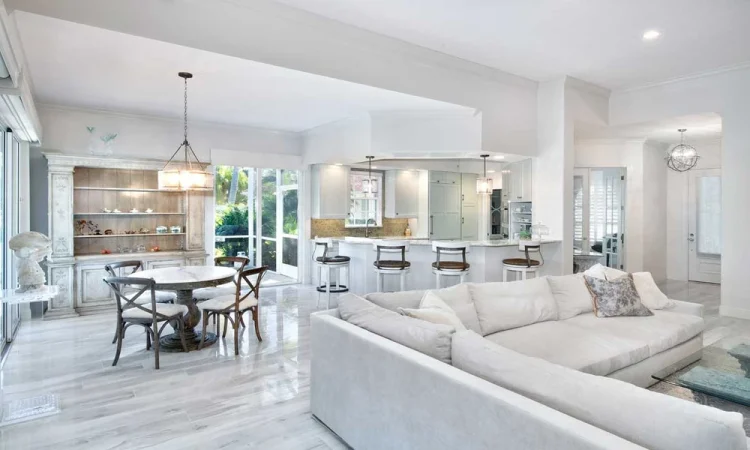
Use neutral color palettes for permanent finishes.
Invest in good lighting.
Prioritize storage.
Select layouts that support daily living rather than short-term design trends.
Classic design evolves gracefully and continues looking current even as decorating styles change over time.
Quick Summary
Timeless remodeling is built around:
- Quality craftsmanship
- Functional layouts
- Durable materials
- Balanced proportions
- Practical living
Conclusion
Every successful home remodeling project begins with asking the right questions before making major decisions. Careful planning, realistic budgeting, durable materials, and experienced professionals all contribute to a smoother renovation and better long-term results.
The goal isn’t simply to create a more attractive house. It’s to create a home that functions beautifully, adapts to changing needs, and continues delivering comfort and value for years to come.